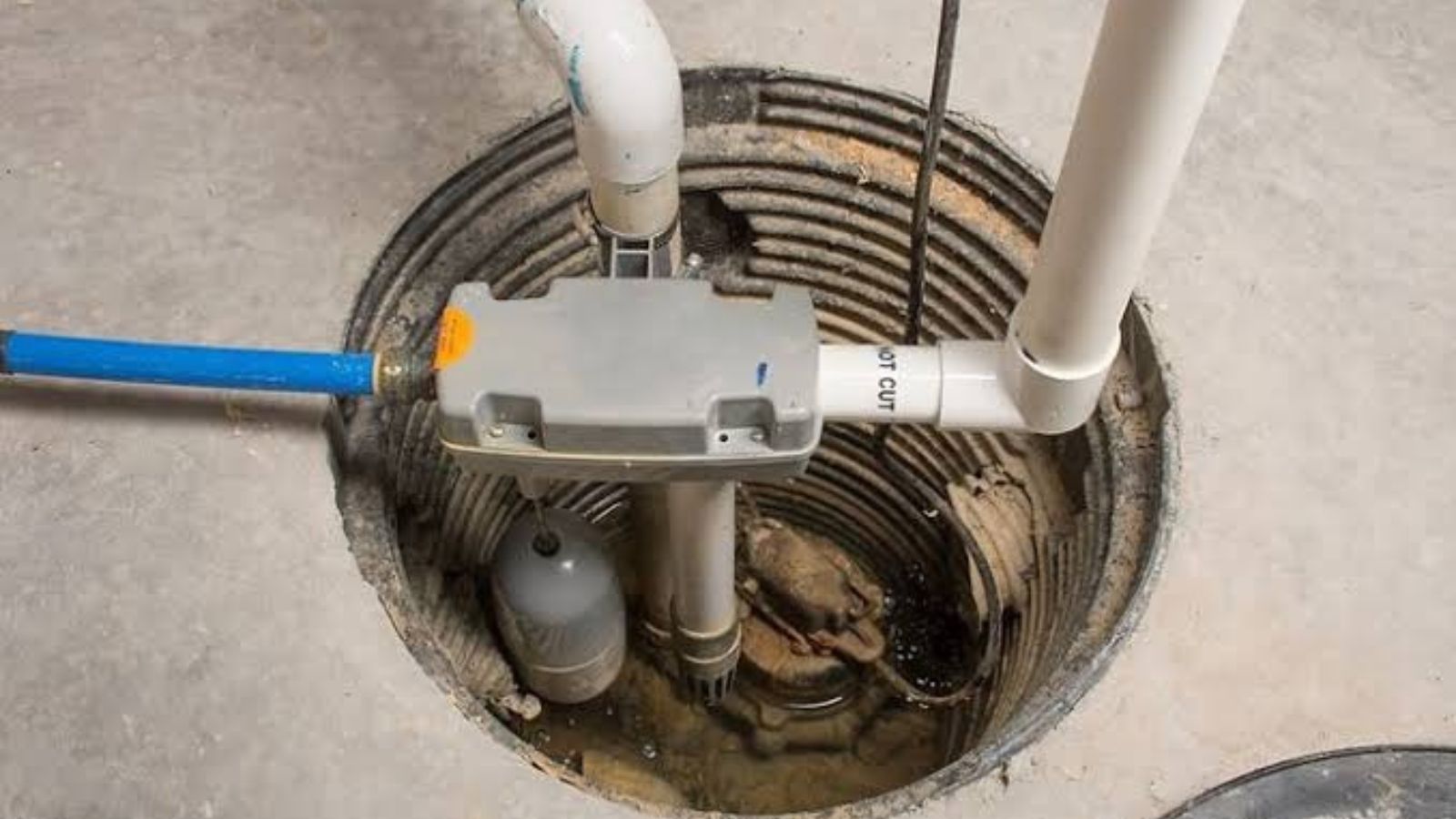
Sump Pump Emergency: What To Do While The Pit Fills
The National Weather Service lists monsoon season as June 15 through September 30, and a failed pump during a storm leaves very little time.
- 1Check the power. Make sure the pump is plugged in and the outlet is live, and reset a tripped GFCI outlet if there is one.
- 2Unplug the pump before touching anything in the pit. If the float is stuck against the wall or a pipe, free it gently.
- 3If the pit is nearly full, bail or wet-vac water out while you wait and move stored items off the floor.
- 4Call us. Tell us if the power is out, because a battery backup may be part of the answer.
If water is already heading for the home, the Town of Queen Creek notes that sandbags are available at Fire Station 2 on South Sossaman Road, and it asks residents to bring a shovel and fill bags only half full. Call (480) 741-9332 for the pump.
Pump Not Running When The Water Rises?
A sump pump does nothing for months and then has to work perfectly in the middle of a downpour. When it fails, water backs up in the pit and spreads across a garage floor, a stairwell, or a finished lower level.
When To Call About Your Sump Pump
- 1It runs constantly or cycles every few seconds, which usually points to a stuck float or a failed check valve.
- 2It never turns on even when the pit is full of water.
- 3It grinds, rattles, or hums without moving water.
- 4Water stays high in the pit after the pump finishes a cycle.
- 5The discharge outside is dry or weak while the pump runs, which can mean a blocked or crushed line.
Seeing any of this? Call (480) 741-9332.
Sump Pumps In A Slab-On-Grade Town
Most Queen Creek homes sit on a slab with no basement, so a sump pump is the exception here and not the rule. Where we do find one, it is usually a pit at the low point of a garage floor or stairwell, a basement in a custom or large-lot home, a landscape basin tied to yard drains, or the collection end of a perimeter drain.
Caliche, the hard cemented soil layer under much of the East Valley, absorbs water slowly. Once a pit fills, there are few places for the water to go, which makes a working pump matter more than the number of pumps in town would suggest.
Why Monsoon Season Is The Real Test
The monsoon officially runs from June 15 through September 30, according to the National Weather Service, and a single storm can drop a lot of water in minutes. A pump that idled for nine months has to start on the first try, with a clear discharge line and a working float.
Storms also take down power. If your pump has no battery backup, it stops at the exact moment the pit fills fastest. For a pit that protects finished space or a garage, that backup is worth a real conversation.
Want it checked before the next storm? Call (480) 741-9332.
How We Diagnose A Failing Pump
We start by filling the pit with water and watching a full cycle. That shows whether the float rises, whether the pump starts, and whether it empties the pit or short-cycles.
Next we check the check valve for backflow when the pump stops, trace the discharge line to where it exits the property, and confirm the power supply and any battery backup. Then we tell you plainly whether it is a repair or a replacement.
Repair Or Replace
A stuck float, a worn check valve, or a clogged discharge line is usually a repair. A pump with a corroded housing, a failing motor, or more than eight or ten years behind it is usually better replaced, sized to the pit it serves.
A pump only moves the water that reaches the pit. If a pit keeps flooding despite a healthy pump, the cause may be grading or drainage upstream, and we will say so honestly instead of selling you a bigger pump.
Straightforward Pricing
Every range below is a real starting point, and your exact price is written down and approved before we start.
If the water in your pit is really coming from a supply line, see leak detection. For a drain that backs up instead of a pit that floods, see drain cleaning & unclogging. Want a real number? Call (480) 741-9332.
Where We Find Sump Pumps Around Queen Creek
We find sump pits in custom homes with basements, below-grade garages, and yard drainage basins, so there is no single neighborhood where they cluster. Larger properties near Chandler Heights Road and Pegasus Airpark are as likely to have one as a subdivision lot in Cortina or Hastings Farms.
If you are in Queen Creek, San Tan Valley, Gilbert, or Mesa and are not sure whether your property has a pump, call and we will find the pit.
Pit Rising During A Storm?
Stay out of standing water near electrical equipment and call. We answer 24/7.
Frequently Asked Questions
Most do not. Queen Creek homes are overwhelmingly built slab-on-grade with no basement, so a sump pump is the exception here. They turn up in custom homes with basements, below-grade garages and ramps, yard drainage basins, and perimeter drain systems. If you are not sure whether your property has one, we can find the pit.
Most last roughly 7 to 10 years. A pump that sits idle for most of the year can still fail the first time monsoon runoff arrives, which is why a spring test is the cheapest protection you can buy.
According to Phoenix-area cost estimates, installing a basic sump pump with a basin runs roughly $380 to $760. A swap into an existing pit is typically less than a new install. Your written price depends on the pump size, the discharge run, and whether a battery backup is added.
Not without a battery backup. Monsoon storms often knock out power at the same moment they deliver the water, so a backup is worth discussing if your pit protects finished space or a garage.
No. A sump pump moves groundwater and runoff out of a pit. A sewage ejector pump lifts wastewater from a below-grade bathroom up to the sewer line. They look alike and get mixed up, so we confirm which one you have before we repair it.
Yes. Our emergency line is open 24 hours a day, and we dispatch for failed pumps at any hour. Tell the dispatcher whether the pump is running, humming, or silent and whether the power is on, and we will say on the phone if conditions affect arrival.